
 Facebook
 X
X
 Pinterest
 Copy Link
Home Modifications and Resale Value: What Tends to Hold Up in the Market
Making changes to a home can improve comfort, functionality, and aesthetics. However, certain modifications may affect resale value differently than others. Understanding which updates tend to retain value — and which may narrow a future buyer pool — can help homeowners make informed decisions before starting a renovation.
Renovations That Often Support Resale Value
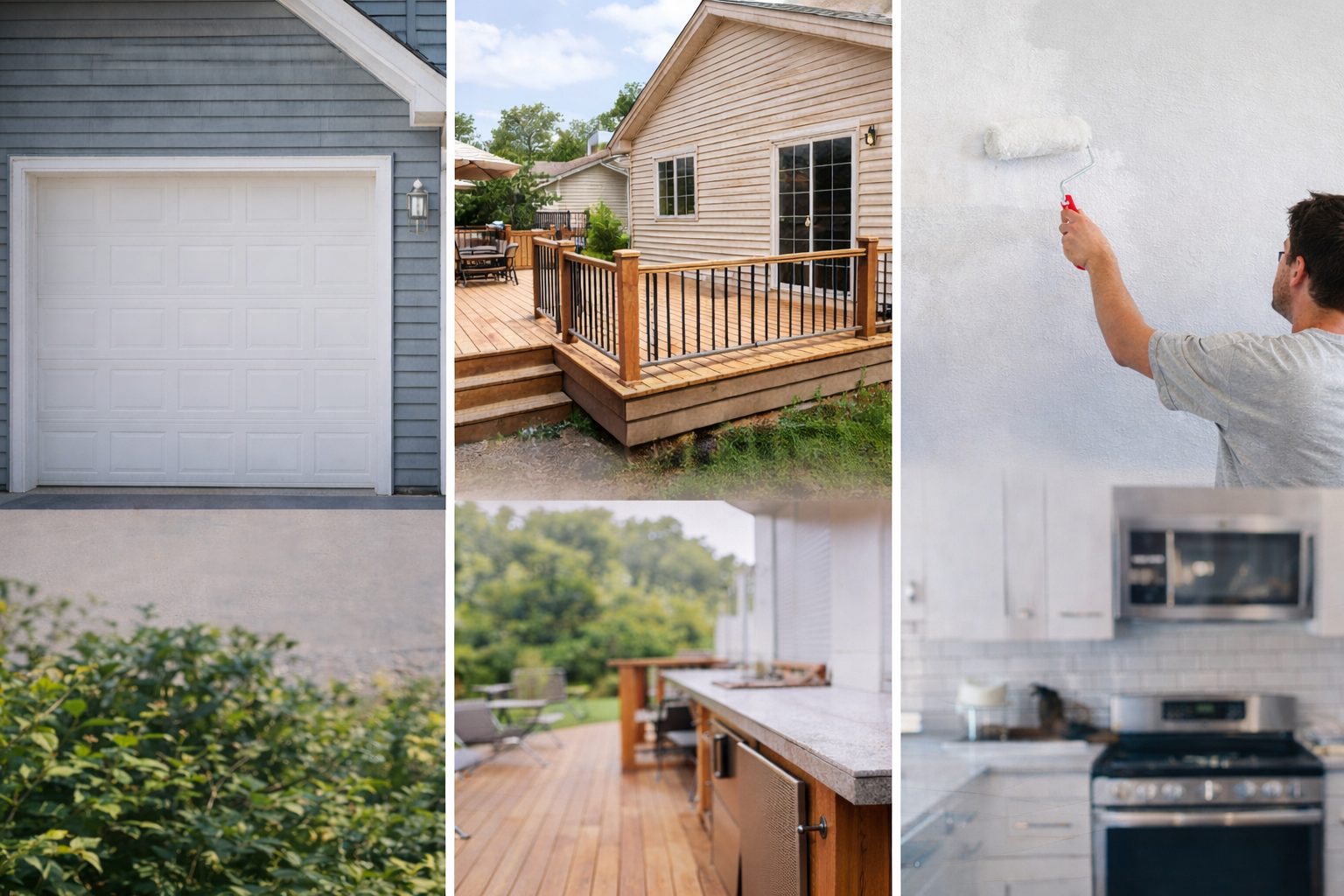
When planning home improvements, it’s helpful to understand how certain projects tend to perform at resale. The 2025 Cost vs. Value Report compares average remodeling costs to estimated resale value across major markets. Exterior upgrades such as garage door replacement and siding improvements often recoup a high percentage of their cost because they significantly influence curb appeal and first impressions.
https://www.jlconline.com/cost-vs-value/2025/
Not every improvement returns 100% of its cost — and that doesn’t mean it adds no value. Projects like decks and patios typically enhance usability and buyer appeal, but because they do not count toward interior finished square footage (a key metric used in appraisals), their return percentage may appear lower in resale calculations. In many markets, well-built decks still recoup a substantial portion of their cost, often in the 60–80% range depending on materials and design.
https://orchard.com/blog/posts/does-deck-add-home-value
Modifications That Can Narrow Buyer Interest
Certain highly customized changes may not reduce value outright but can limit the number of potential buyers interested in the property.
Examples may include:
- Converting a bedroom into a non-bedroom space
- Removing closets or reducing storage
- Highly personalized built-ins or specialty rooms
- Bold or niche design elements that may require reversal
These changes are not inherently negative, but they may require future buyers to reconfigure the space to suit different needs.
Layout Changes and Structural Adjustments
Altering a home’s layout can have a measurable impact on resale depending on execution and local market expectations. Removing a bedroom, eliminating a bathroom, or significantly changing floor plan flow can affect appraisal comparisons, as appraisers evaluate homes based on bedroom count, bathroom count, and functional layout.
Major structural changes — such as removing load-bearing walls or completing additions — typically require permits and inspections. Unpermitted work can create complications during appraisal and financing, even if the finished result appears professionally completed.
https://www.nar.realtor/magazine/real-estate-news/home-renovations-that-can-hurt-value
Maintaining proper documentation and ensuring code compliance can help preserve value and prevent delays at resale.
Outdoor and Exterior Considerations
Outdoor upgrades such as decks, patios, updated landscaping, and exterior paint often influence buyer perception early in the home search process. Curb appeal plays a measurable role in resale performance, as noted in the National Association of Realtors’ Remodeling Impact Report.
https://www.nar.realtor/research-and-statistics/research-reports/remodeling-impact
While not all exterior projects recoup their full cost, improvements that enhance overall presentation and maintenance tend to support broader market appeal.
Permits and Documentation Matter
Regardless of the modification, proper permitting and documentation are important. Renovations completed without required approvals can delay closing, affect insurance coverage, or complicate financing.
Homeowners can verify local requirements through municipal or county building departments before beginning major projects.
https://www.usa.gov/local-governments
In Summary
Home modifications can enhance daily living while also influencing long-term resale value. Projects that maintain structural integrity, preserve functional layout, and align with broader market expectations tend to retain value more consistently. More customized or structural changes may still serve current needs but can affect flexibility at resale.
Balancing personal preferences with long-term considerations can help homeowners approach renovations with greater clarity and fewer surprises down the road.