
 Facebook
 X
 Pinterest
 Copy Link
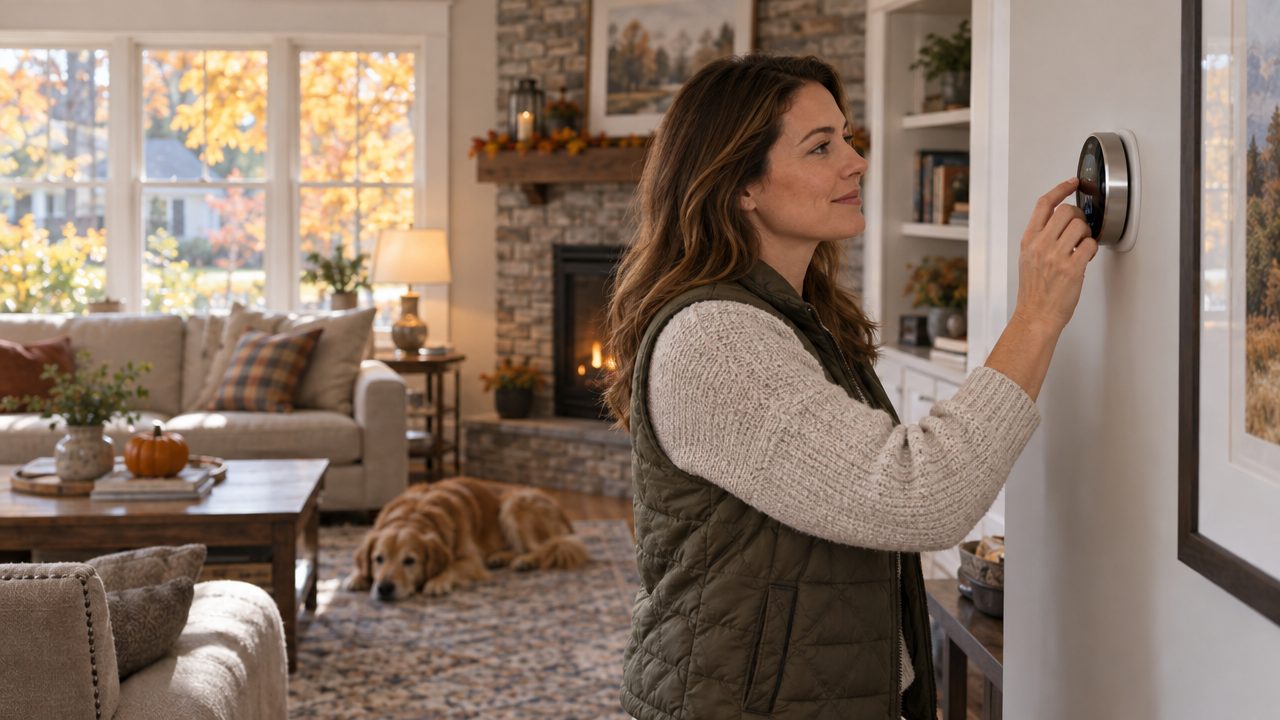
As temperatures drop across Pennsylvania and New Jersey, homeowners start relying more heavily on their heating systems.
Before the colder weather settles in, take a few minutes to check the areas around your home that can affect comfort, efficiency, and safety.
You don’t need to tackle every maintenance project at once. These five checks can help you identify simple tasks and determine when professional attention may be needed.
1. Check Your Air Filters
If your home uses a forced-air heating system, check the air filter and replace it when appropriate for your equipment and the manufacturer’s recommendations.
A dirty filter can restrict airflow and affect system performance.
Make sure you use the correct filter size and type. If you’re unsure, consult the equipment documentation or a qualified HVAC professional.
2. Make Sure Vents Aren’t Blocked
Take a quick walk through the house and check that supply registers and return-air grilles are not obstructed by furniture, rugs, curtains, or stored belongings.
Blocked airflow can make it harder for a heating system to distribute air as intended.
If some rooms consistently feel much colder than others, consider having the system evaluated rather than assuming the thermostat is the problem.
3. Check Doors and Windows for Drafts
Cold air entering around exterior doors and windows can make rooms uncomfortable.
Inspect visible weatherstripping and caulking for signs of wear or damage.
Small repairs may help reduce drafts, although persistent cold spots can have other causes, including insulation gaps or airflow issues.
If you plan to replace weatherstripping or seal gaps, make sure you don’t block required ventilation openings.
4. Test Smoke and Carbon Monoxide Alarms
Heating season is an important reminder to check your home’s smoke and carbon monoxide alarms.
Test alarms according to the manufacturer’s instructions and replace batteries or units as recommended.
Carbon monoxide is an odorless, potentially deadly gas. Make sure you have working carbon monoxide alarms in the locations required for your home and local regulations.
Never ignore a carbon monoxide alarm. Leave the building and contact emergency services if an alarm sounds or you suspect exposure.
5. Schedule Professional Maintenance When Needed
If your heating system hasn’t been serviced recently, check the manufacturer’s recommendations and consider scheduling a professional maintenance visit.
A qualified technician can inspect relevant components, assess operation, and identify concerns that aren’t obvious during a basic homeowner check.
If you notice unusual odors, persistent noises, repeated shutdowns, or poor performance, don’t wait for the coldest day of the year to investigate.
For fuel-burning equipment, follow the manufacturer’s safety guidance and make sure required vents and exhaust systems remain unobstructed.
Make Comfort Part of Your Winter Plan
A comfortable home isn’t just about turning up the thermostat.
Keeping equipment maintained, checking for drafts, maintaining airflow, and testing safety devices can help you prepare for the months ahead.
A few small tasks now may also help you identify larger concerns while there’s still time to arrange professional assistance.
The Bottom Line
Before winter arrives, give your home’s heating and safety systems a little attention.
Check your filters, clear blocked vents, look for drafts, test alarms, and arrange professional maintenance when appropriate.
These simple steps can help you enter the colder season feeling more prepared.
Thinking about a move this fall or winter? A Coldwell Banker Hearthside agent can help you explore your real estate options as you plan your next chapter.
