
 Facebook
 X
X
 Pinterest
 Copy Link
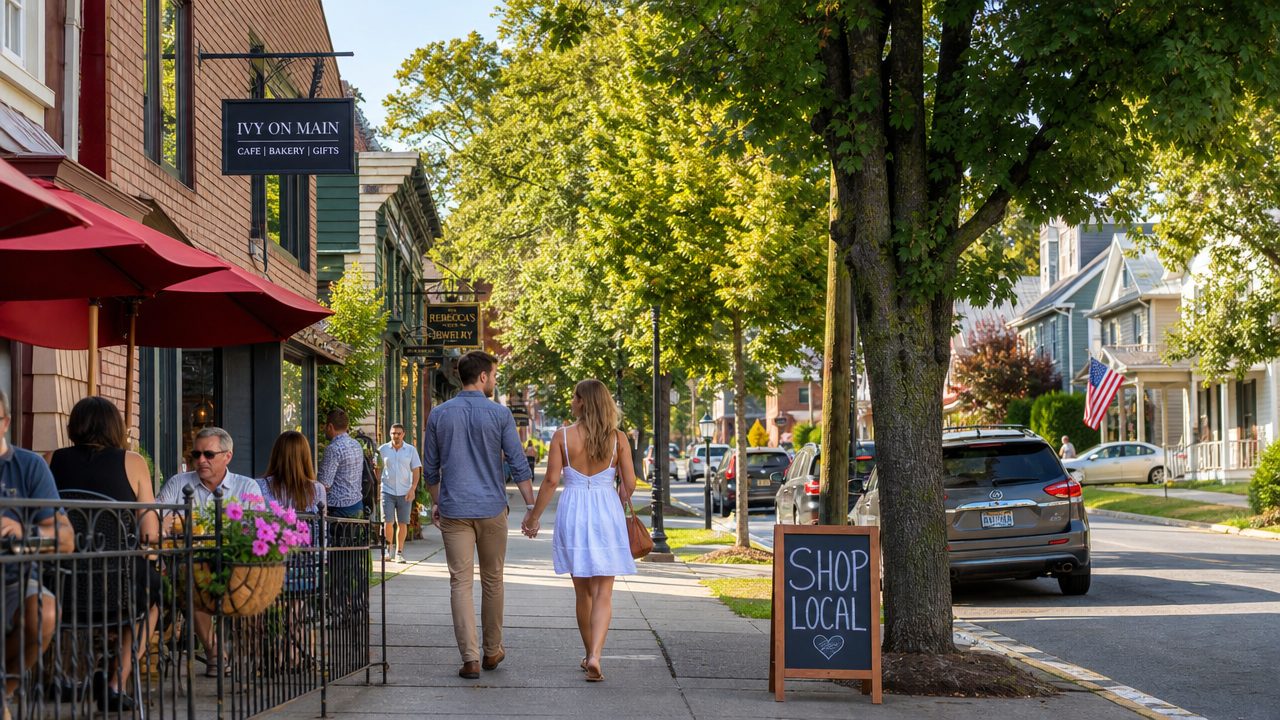
Walkability has become an increasingly important consideration for homebuyers. But when a listing describes a neighborhood as “walkable,” what does that actually mean?
For one buyer, it might mean being able to walk to a coffee shop. For another, it could mean having sidewalks that connect to parks, schools, restaurants, and other everyday destinations.
Rather than relying on a single description, buyers should take a closer look at what walkability actually means for their lifestyle.
Start With Your Everyday Routine
Think about the places you visit most frequently.
Could you walk to:
- A grocery store?
- A coffee shop?
- A restaurant?
- A park?
- A library?
- Public transportation?
A neighborhood doesn’t need to have everything within walking distance to be convenient. The key is determining which destinations matter most to you.
Sidewalks Matter
A neighborhood may look close to nearby amenities on a map, but the actual walking experience can be very different.
Look for:
- Continuous sidewalks
- Crosswalks
- Safe intersections
- Street lighting
- Pedestrian paths
- Reasonable distances between destinations
These details can significantly affect how enjoyable a neighborhood is to explore on foot.
Visit Before You Buy
One of the best ways to evaluate walkability is to experience the neighborhood yourself.
During a home search, park your car and take a walk.
Notice:
- How busy the streets are
- Whether people are outside
- How easy it is to cross major roads
- What businesses and amenities are nearby
- How the neighborhood feels at different times of day
A short walk can tell you things that photographs and listing descriptions can’t.
Walkability Can Mean Different Things to Different Buyers
A young professional may value walking to restaurants and entertainment.
A family may prioritize sidewalks leading to parks and schools.
A retiree may be more interested in access to shops, healthcare, and community activities.
There isn’t one definition of a walkable neighborhood. It’s about finding a location that makes your particular lifestyle easier.
Look Beyond the Property Lines
When evaluating a home, it’s easy to focus entirely on the house itself.
But your surroundings become part of your everyday living experience.
A smaller home in a convenient location may ultimately fit your lifestyle better than a larger home that requires driving everywhere.
The Bottom Line
The right location can influence how much you enjoy your home long after the excitement of moving day has passed.
If walkability is important to you, take the time to explore potential neighborhoods on foot and consider how well they support the way you actually live.
Coldwell Banker Hearthside agents bring local knowledge to the home search, helping buyers evaluate not only the property but also the community and lifestyle surrounding it.
