
 Facebook
 X
X
 Pinterest
 Copy Link
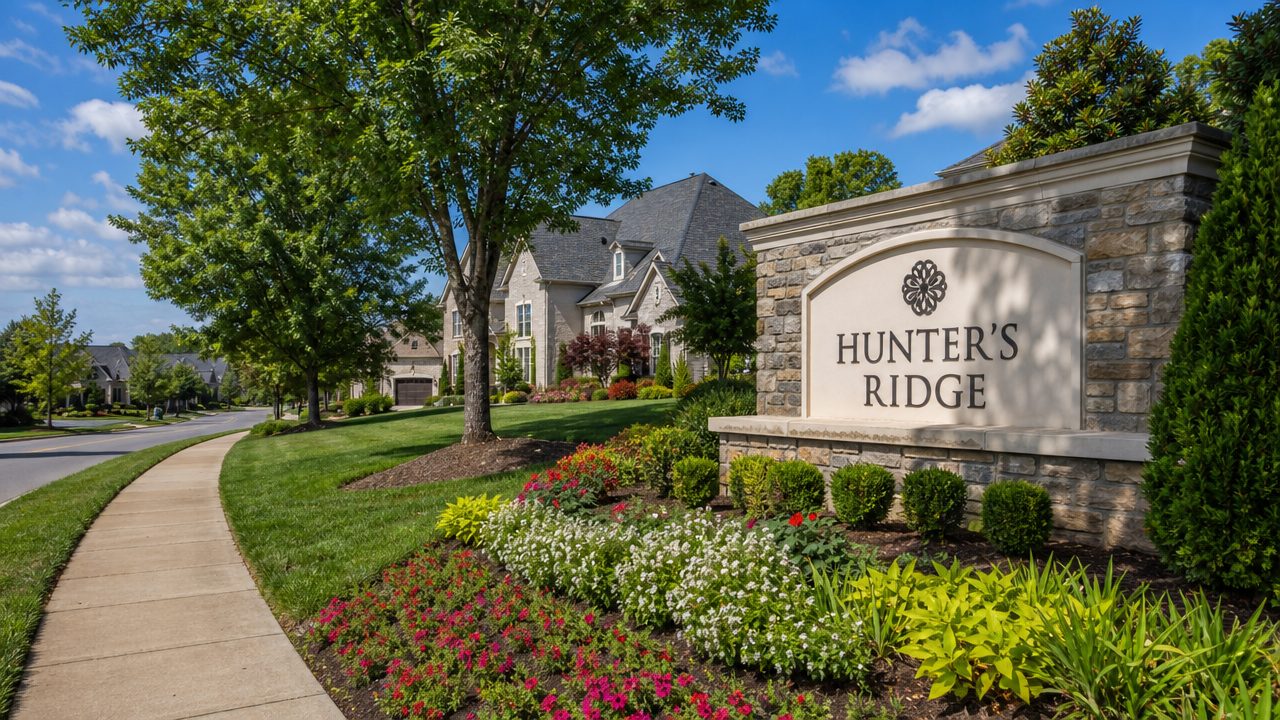
As you search for your next home, you’ll likely come across properties located in neighborhoods governed by a Homeowners Association, commonly known as an HOA. While some buyers actively seek out HOA communities, others aren’t sure what to expect.
The truth is that living in an HOA community can offer many benefits, but it also comes with responsibilities. Understanding how HOAs work before you make an offer can help you choose a home that fits both your lifestyle and your expectations.
What Is an HOA?
A Homeowners Association is an organization that helps manage and maintain a residential community. Homeowners within the community pay dues that are used to maintain shared spaces and, in some cases, provide additional amenities or services.
Every HOA operates under its own governing documents, so no two communities are exactly alike.
What Do HOA Fees Typically Cover?
One of the first questions buyers ask is, “What am I paying for?”
The answer depends on the community, but HOA dues may help cover:
- Landscaping and maintenance of common areas
- Snow removal on private roads
- Community pools or clubhouses
- Walking trails and playgrounds
- Tennis or pickleball courts
- Exterior maintenance in some townhome or condominium communities
- Private security features or gated entrances
- Community signage and neighborhood beautification
It’s important to understand exactly what is included before purchasing a home.
Why Some Buyers Prefer HOA Communities
Many homeowners appreciate the consistency and convenience that an HOA can provide.
Potential benefits include:
Well-Maintained Neighborhoods
HOAs often establish standards for property maintenance, helping neighborhoods maintain a clean, attractive appearance.
For many buyers, this consistency contributes to long-term neighborhood appeal.
Amenities Within the Community
Many planned communities include amenities that homeowners might not otherwise have access to, such as:
- Swimming pools
- Fitness centers
- Clubhouses
- Parks and playgrounds
- Walking paths
- Community gathering spaces
These shared amenities can enhance everyday living without requiring homeowners to maintain them personally.
Less Exterior Maintenance
Depending on the community, some HOA fees may include services like lawn care, landscaping, or exterior building maintenance.
This can be especially appealing for busy professionals, retirees, or those who travel frequently.
Things Buyers Should Consider
While HOA communities offer many advantages, they’re not the right fit for everyone.
Before purchasing, ask questions about:
Community Rules
Most HOAs have rules designed to preserve the appearance and character of the neighborhood.
These may address topics such as:
- Exterior paint colors
- Fence installations
- Landscaping changes
- Parking regulations
- Holiday decorations
- Rental restrictions
Reviewing these guidelines ahead of time can help avoid surprises after moving in.
HOA Fees
Monthly, quarterly, or annual dues vary significantly from one community to another.
When budgeting for a home, buyers should consider HOA fees alongside:
- Mortgage payments
- Property taxes
- Homeowners insurance
- Utilities
- Routine maintenance
Understanding the total cost of homeownership is essential.
Financial Health of the HOA
A well-managed HOA should maintain adequate financial reserves for future repairs and community improvements.
Buyers may wish to review:
- The HOA’s budget
- Reserve funds
- Recent meeting minutes
- Any planned special assessments
These documents can provide valuable insight into the long-term health of the community.
Every Community Is Different
One of the biggest misconceptions about HOAs is that they’re all the same.
In reality, every association has its own:
- Rules and regulations
- Fee structure
- Amenities
- Services
- Governance
Some associations are highly involved in day-to-day community management, while others take a much lighter approach.
That’s why it’s so important to evaluate each community individually rather than making assumptions based on previous experiences.
The Bottom Line
An HOA isn’t inherently good or bad—it simply offers a different style of homeownership.
For many buyers, HOA communities provide convenience, attractive neighborhoods, and valuable amenities. For others, a home without an HOA may offer the flexibility they’re looking for.
The key is understanding the community before you buy.
At Coldwell Banker Hearthside, our agents help buyers navigate every aspect of the home-buying process—including reviewing HOA documents, understanding community rules, and finding neighborhoods that align with your lifestyle. Whether you’re looking for a maintenance-free townhome or a single-family home with more independence, we’re here to help you make an informed decision every step of the way.
