
 Facebook
 X
X
 Pinterest
 Copy Link
How to Navigate a Contingent Offer Like a Pro

Whether you’re buying or selling a home, understanding how to navigate a contingent offer is key to protecting your interests and keeping the deal on track. These types of offers come with conditions that need to be met before the sale can move forward, and knowing how to manage them can lead to a smoother transaction.
What Is a Contingent Offer?
A contingent offer is a bid to purchase a home that includes specific conditions that must be met before the sale can close. These contingencies serve as protections, giving buyers a way out of the contract without penalty if certain criteria aren’t fulfilled. Common contingencies include:
- Home Sale Contingency – Buyer must sell their current home before closing
- Financing Contingency – Sale is dependent on the buyer securing a mortgage
- Inspection Contingency – Buyer can negotiate repairs or walk away if major issues are found
- Appraisal Contingency – The home must appraise for at least the purchase price
For Buyers: How to Make a Strong Contingent Offer
Even with contingencies, your offer can still shine in a competitive market. Here’s how:
- ✅ Be Transparent and Communicative – Sellers appreciate buyers who are clear about their timeline and situation.
- ✅ Strengthen Other Terms – Consider offering a higher earnest money deposit, flexible closing date, or fewer repair requests.
- ✅ Get Pre-Approved – A solid pre-approval letter shows sellers you’re serious and financially ready.
For Sellers: How to Evaluate and Protect Yourself
Contingent offers can still lead to successful sales—you just need to evaluate the risk and respond wisely.
- 🔍 Ask for Details – What’s the buyer’s current sale status? Is their home already under contract?
- 💬 Negotiate Tight Timelines – Encourage shorter contingency periods to reduce delays.
- 🤝 Lean on Your Agent – Your agent will help you compare offers and negotiate counterterms to protect your interests.
Final Thoughts
Contingent offers don’t have to derail your buying or selling journey. With the right preparation, communication, and strategy, both sides can benefit from a smooth and successful transaction. When in doubt, trust your Coldwell Banker Hearthside agent to help you make a confident move—contingency or not.
🔗 Explore Listings and Connect with a Local Agent at CBHRE.com
Mistakes Sellers Make

10 Mistakes People Make When Selling a House
You’ve probably heard of buyer’s remorse when house hunting. You could make a mistake and purchase a house that’s too expensive, too far, too small, or too big. But it’s not just home buyers that can stumble. You can also make mistakes when selling a house.
Reasons Why Home Sellers Make Mistakes
The same reasons home sellers try not to make mistakes are often the reasons they make them. Most of the time, if you plan to sell your house, you dream of a quick sale, a top-dollar offer, or maybe even a bidding war. You plan to be strategic, careful, cunning, smart, and anything else to achieve these goals.
You limit how many repairs you make or the effort you put into staging to cut costs. Some overly-optimistic sellers even try to go solo, instead of working with an experienced real estate agent.
In some cases, you try to speed up the process because you’re facing a deadline. For example, a job relocation, a new school district, expecting a baby or financial changes can put pressure on you to move quickly. But when you rush (or panic), mistakes are more likely to happen.
Don’t Make These Mistakes When Selling Your Home
Plenty of mistakes are possible when you’re selling a house. Ultimately, if you skip steps, cut corners, or take lots of shortcuts seeking a desirable outcome, you’ll fail. Instead of the successful deal you hoped for, you end up with the opposite. It could be a much lower price, months or more on the market, or too much stress to handle.
Therefore, if you’re about to sell your house, or are thinking about it, keep reading. Check out these common mistakes home sellers make so you can avoid them in your future home-selling adventures.
1. Being Unrealistic About Your Home’s Fair-Market Value
Everyone thinks their home is worth top dollar. But the reality is your house is worth what people are willing to pay for it. And most of the time, people aren’t going to pay substantially more for your home if comparable homes in the area are selling for less.
An agent looks at the current market, available homes, current selling prices, and other factors to determine a competitive list price for your home. It’s in your best interest to be realistic about your home’s value, so you don’t price it too high.
An overpriced home tends to sit longer on the market, eventually leading to a price reduction. Price reductions and no movement for long lengths of time tend to be big red flags to buyers.
2. Not Hiring an Agent
Understandably, you want to make as much money as possible when you sell your home. But skipping an agent isn’t the way to do it. Sure, the idea of keeping that 6% in your pocket is tempting.
But it often isn’t worth the extra headaches and stress, the time it takes to sell, or trying to understand the paperwork. Plus, an agent will likely be able to get you a higher offer, so you wouldn’t be saving as much as you think.
3. Forgetting About the Costs to Sell
Most people know about the added costs when you purchase a home. But you also incur added costs when you sell a house. Sellers pay the agent’s commission (usually 6% of the sales price), closing costs (about 3% of the sales price), and possibly dish out money to prepare the home.
Repair costs, staging fees, and home inspections are all potential additional costs that sellers face. Not to mention the costs you’ll have when you rent or buy your new place, especially if you’re moving a long distance.
4. Hiding Problems with the House
Don’t try to hide problems with the house to get a better price or faster sale. It’s dishonest and in many cases illegal. For many issues, sellers are obligated to disclose any known problems with the property. Therefore, don’t cover up issues or hide them from buyers or your agent.
5. Taking Things Personally
You think your house is perfect in every way. However, the odds are good that many buyers will find faults with it. Don’t take it personally. If you do, emotions get in the way and cloud your judgment.
Don’t turn down a buyer because they offended your grandma’s avocado countertops or peony wallpaper. Keep the big picture in mind.
6. Believing Your House Is Perfect Just the Way It Is
Another downfall of believing your home is perfect is not staging it properly for showings. You’re used to your home’s existing setup, which makes you turn a blind eye to things others find glaringly unappealing or nonfunctional. It’s worth the minimal costs to stage your home and make it appealing to a larger pool of buyers.
7. Underestimating the Power of Photos
Snapping pictures of your house with a cell phone is not the way to capture engaging, effective real estate photos. Even an excellent camera in the hands of an inexperienced person won’t do the job justice. Make sure your agent uses a real estate photographer or has experience in that area if they plan to take the pictures.
8. Failing to Keep the House Clean
Your agent will do most of the work when it comes to selling your home, but you have responsibilities, too. A big one is to keep your home in good shape and ready for showings.
Deep clean your home before listing it, and keep it clean while it’s on the market. You never know when a last-minute showing might pop up, and you want your house ready to shine.
9. Limiting Your Buyer Pool
Keeping too many personal items in your home, like family photos and collectibles, makes it hard for buyers to envision living there. Too much clutter also gets in the way, causing buyers to question if your home has enough space or storage.
Overly trendy design choices, funky paint colors, and unique elements also limit the buyer pool. It’s important when you’re selling to pare down the clutter and personal touches to give your home mass appeal.
10. Staying Home During Showings
If your agent tells you there’s a showing, get out of the house. Take a long walk, grab a coffee, meet a friend, go anywhere but your home. When sellers stay at home during a showing, it tends to make buyers uncomfortable, and they don’t get a real sense of what the home is like.
Instead, they worry about offending you, or they don’t open closets and cabinets like they would if you weren’t there. After the showing, they may feel like they didn’t really see the whole house. Or, they didn’t get to see it’s full potential, and move on to the next one on their list.
March 2024 Market Statistics
March 2023 vs. March 2024 Real Estate Market Report
Hey there, fellow real estate enthusiasts! Today, let’s take a journey through time and explore the exciting changes that have occurred in the real estate market between March 2023 and March 2024. Buckle up, because there’s some fascinating stuff to discover!
Inventory: A Mixed Picture
Let’s start by talking about inventory. In March 2024, the movement rates in tracked markets reflected a mixed inventory picture year over year. In simpler terms, some rates improved, while most worsened. Although there were improvements in some areas, the overall trend showed a decline in inventory levels across most tracked markets.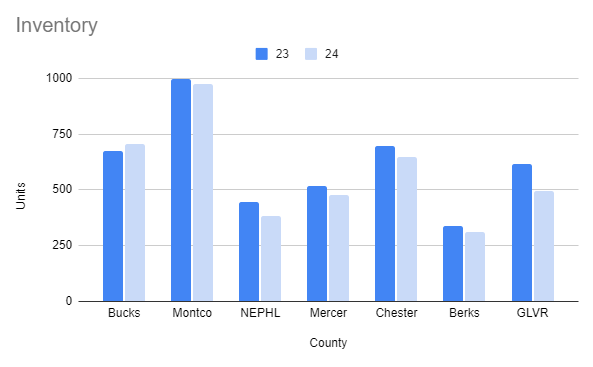
Sold Units: A Dampened Monthly Result
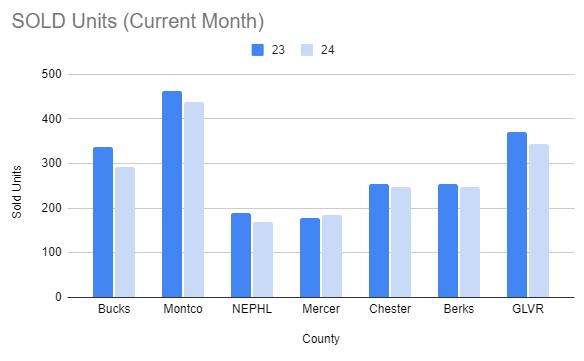
In March 2024, numerous markets reported dampened monthly results year over year. Rates of decline worsened in most tracked markets, indicating a slowdown in the number of homes sold compared to the previous year.
Pending Contracts: Declining Picture
Comparing March 2024 with March 2023, most markets generally reflected a declining picture in pending contracts year over year. However, Montgomery County and the Greater Lehigh Valley Region stood out as exceptions to this trend. The rates of decline varied across markets, ranging from single to double digits.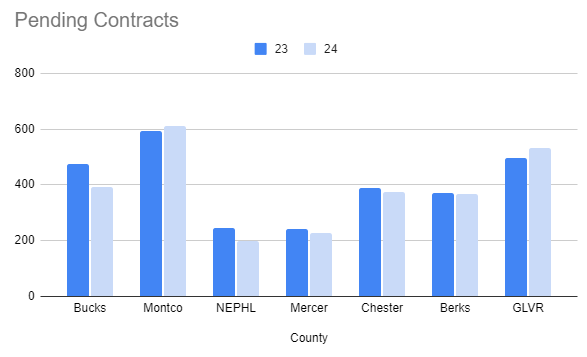
Median Sold Pricing: Upward Trend
Despite the challenges, there was good news in March 2024. Tracked markets showed an upward trend in median sold pricing, although the range varied. This indicates that home prices were on the rise, providing a positive outlook for sellers.
YTD Unit Volume: A Worsening Trend
Unfortunately, all markets reported dampened results in year-to-date (YTD) unit volume, with a notable worsening in the rate of decline year over year as early as 2024 progressed. This trend indicates a slowdown in the overall real estate market activity compared to the previous year.
Sold Avg CDOM: Homes Selling More Quickly
One positive change observed in March 2024 was that homes were selling more quickly compared to March 2023. The average cumulative days on market (CDOM) decreased in most areas, indicating increased buyer activity and demand.
Sold/Opening List Price Ratios: Reflecting Buyer Demand
Market results in March 2024 correlated with fluctuating price increase trends and buyer demand. A few markets remained at near ~100%, comparing year over year pricing trends. This metric speaks to a generally declining seller pricing advantage in several markets.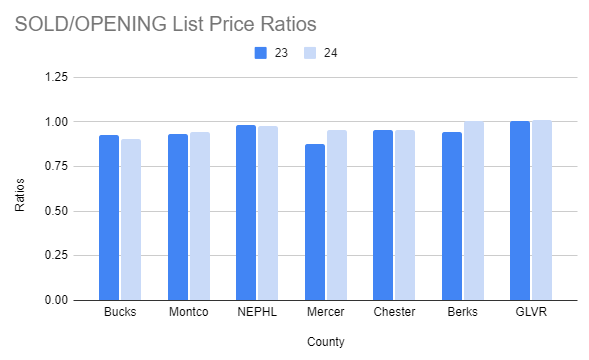
What Does This Mean for You?
Whether you’re buying or selling, it’s essential to stay informed about market trends. While the real estate market experienced some challenges in March 2024, there were also positive changes, such as the upward trend in median sold pricing and the decrease in average CDOM.
For sellers, understanding these trends can help you price your home effectively and attract potential buyers. For buyers, being aware of market dynamics can help you make informed decisions and negotiate effectively.
Final Thoughts
The real estate market is constantly evolving, and understanding these changes is key to success. By comparing March 2023 with March 2024, we can see how the market has shifted over the past year and what that means for buyers and sellers alike.
Whether you’re buying, selling, or just curious about the market, I hope this comparison has provided some valuable insights. Until next time, happy house hunting!
Take a look at last month’s market report, here: https://cbhre.com/2024/03/15/february-2024-market-statistics
Check out more from CBHearthside here: https://linktr.ee/coldwellbankerhearthside
To look at our other blogs, visit: https://cbhre.com/blog
10 Home Staging Tips

10 Simple Tips for Staging Your Home
Hey there, fellow homeowners! Are you gearing up to sell your house and move on to new adventures? Well, before you stick that ‘For Sale’ sign in your front yard, let’s talk about staging. Staging your home is like dressing it up for a fancy party – you want it to look its absolute best to impress potential buyers. So, grab a cup of coffee, kick back, and let’s dive into these 10 simple tips to get your home stage-ready.
1. Declutter Your Home Like a Pro:
First things first, let’s clear out the clutter. Nobody wants to see your collection of mismatched socks or that stack of old magazines. Box up personal items and keep surfaces clean and clear.
2. Create a Neutral Canvas:
While your hot pink accent wall might be your pride and joy, it could be a turn-off for buyers. Opt for neutral tones on walls and furniture to appeal to a broader audience.
3. Let There Be Light:
Bright, airy spaces are a big selling point. Open up curtains, clean windows, and add extra lighting where needed to make your home feel welcoming and spacious.
4. Furniture Placement Matters:
Arrange your furniture in a way that highlights the flow of each room. Create conversation areas and ensure pathways are clear for easy navigation.
5. Accessorize Your Home with Flair:
Add pops of color and texture with carefully selected accessories like throw pillows, rugs, and artwork. Just don’t overdo it – less is often more in the world of staging.
6. Maximize Curb Appeal:
Don’t forget about the exterior! Spruce up your landscaping, give your front door a fresh coat of paint, and add some potted plants or flowers to create an inviting entrance.
7. Set the Scene for Entertaining:
Showcase how your home can be a hub for social gatherings by setting the dining table or arranging seating areas in the backyard. Help buyers envision themselves hosting friends and family in the space.
8. Focus on Key Rooms in the Home:
While every room in your home is essential, certain areas like the kitchen, living room, and primary bedroom deserve extra attention. Make sure these spaces are especially inviting and well-staged.
9. Address Any Repairs or Updates:
Little things like leaky faucets or chipped paint might seem minor, but they can detract from your home’s overall appeal. Take care of any necessary repairs or updates before showing your home.
10. Keep Your Home Clean and Fresh:
Last but certainly not least, keep your home clean and smelling fresh at all times. You never know when a potential buyer might pop in for a showing, so stay on top of those dust bunnies and pet odors.
And there you have it – 10 tips to help you stage your home like a pro! Remember, the goal is to create a space that feels welcoming, inviting, and ready for its next chapter. So, roll up your sleeves, put on your staging hat, and get ready to impress those potential buyers. Happy staging!
Look into more home improvement ideas, https://cbhre.com/category/homeimprovements
Looking for an agent to help you sell? Search here https://cbhre.com/directory
Want some more buying/selling tips? Visit https://cbhre.com/buying-and-selling-tips
February 2024 Market Statistics
Real Estate Market: February 2023 VS February 2024
Hey there, fellow real estate enthusiasts! Welcome back to our monthly get-together where we dissect the latest happenings in the ever-dynamic world of real estate. Today, we’re diving headfirst into February’s market report, unpacking all the juicy details and uncovering what this means for buyers, sellers, and investors alike. So, grab your favorite beverage, settle in, and let’s embark on this journey together!
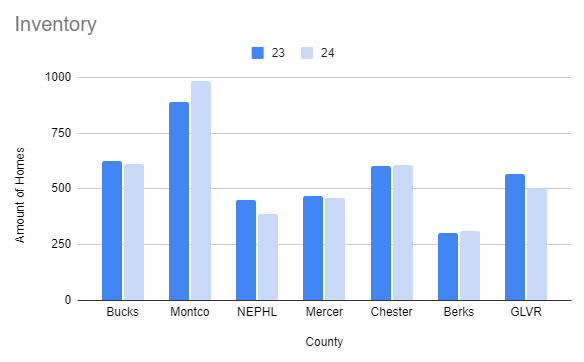
Inventory Movement:
Let’s kick things off with a glimpse into the pulse of inventory movement. The good news? Market rates of movement are painting a promising picture. What does this mean exactly? Well, it boils down to this: the rates of decline have lessened, and in some cases, we’re even witnessing inventory growth. It’s like a ray of sunshine breaking through the clouds, signaling a positive shift in the real estate landscape. Take Bucks, Mercer, and Berks counties, for example – they’re leading the charge with notable improvements in this department.
Sold Units:
Now, onto sold units. While February saw numerous markets reporting dampened monthly results, there’s still reason to keep the faith. Sure, the rates of decline vary, but amidst the flux, there’s room for optimism. From Bucks to Mercer, Montco to NEPHL, each market is charting its unique course, showcasing the diverse dynamics at play.
Pending Contracts:
Ah, pending contracts – the tantalizing glimpse into future transactions. Here’s the scoop: most markets are reflecting an improving picture year over year. Whether it’s Bucks with a slight decline or Montco with a significant uptick, the overall trend is positive. It’s like watching the gears of progress slowly but surely turn towards brighter horizons.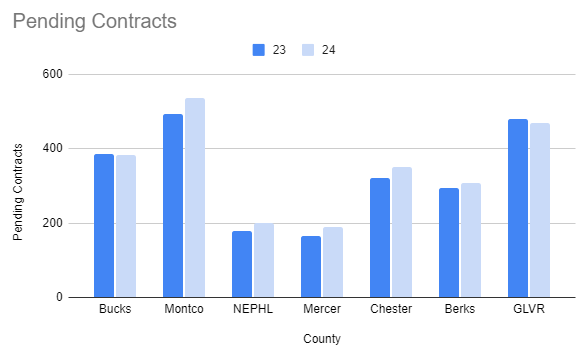
Pricing Trends:
Now, let’s talk numbers – pricing trends, to be exact. February brought with it a mixed bag of results, with most tracked markets experiencing moderate price increases. From Bucks to Mercer, NEPHL to Chester, each market is carving out its unique path in response to supply and demand dynamics.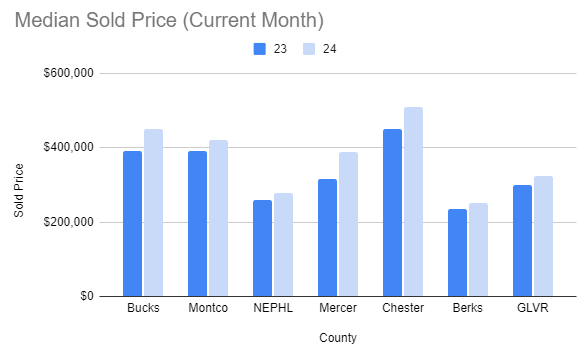
Year-to-Date Unit Volume:
As we delve deeper into the year-to-date unit volume, we’re met with a mixed bag of results. While most markets are reporting dampened figures, there’s a notable improvement in the rate of decline year over year. It’s like witnessing a phoenix rise from the ashes – a testament to the resilience of the real estate market.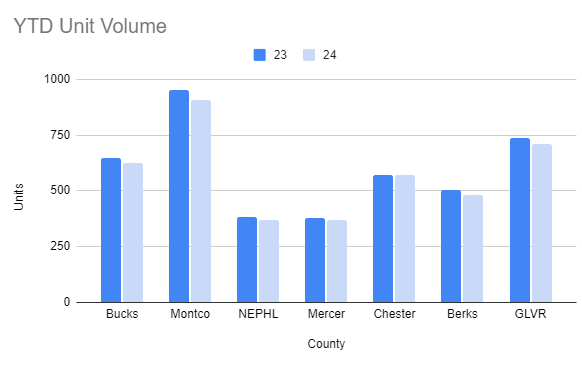
Sold Days on Market:
Homes are flying off the shelves at a faster pace in most markets, indicating decreased selling time year over year. This marks a significant shift from what we observed throughout 2023, highlighting the evolving nature of buyer behavior and market dynamics.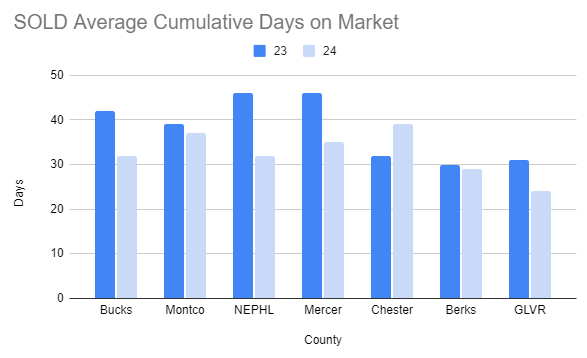
Sold/Opening List Price Ratios:
Last but not least, let’s discuss sold/opening list price ratios. This metric provides insights into the fluctuating price increase trend and buyer demand. From Bucks to GLVR, each market’s results correlate with its unique pricing dynamics, signaling a shift in seller pricing advantage.
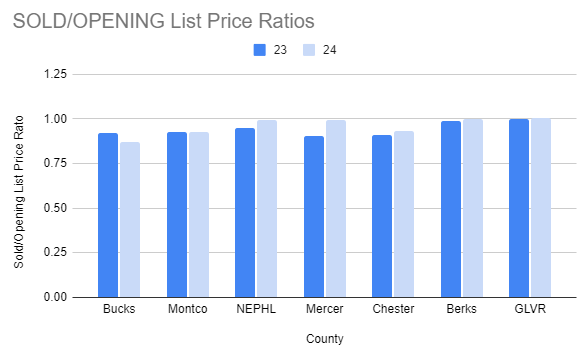
In conclusion, February’s market report paints a nuanced picture of the real estate landscape. While challenges remain, there’s a sense of cautious optimism in the air. From improving inventory movement to resilient pricing trends, each data point offers valuable insights for navigating today’s market with confidence. So, here’s to staying informed, staying adaptable, and seizing those opportunities as they arise. Until next time, happy house hunting (or selling)!
Take a look at last month’s market report, here: https://cbhre.com/2024/02/20/january-2024-market-statistics
Check out more from CBHearthside here: https://linktr.ee/coldwellbankerhearthside
To look at our other blogs, visit: https://cbhre.com/blog
Don’t Forget These Steps When Selling Your House

Getting ready to sell your house? You probably already know you need to make your home look its best. You also likely plan to use a real estate agent, so you know you need to find one. Maybe you’ve even already started researching moving companies. But there are a few things you need to do when selling your house that might not be as obvious.
Things Sellers Overlook When Selling a House
If you already have an amazing real estate agent, then they should have gone over all of these things with you. But, let’s assume you’ve just decided to sell, and you’re making sure nothing falls through the cracks. Some things are obvious, but others, not so much. That’s where this list comes in handy.
1. Check Your Agent’s References and Prepare Questions
Don’t hire the first real estate agent that comes your way. It’s also not the best idea to use your great aunt’s best friend or your roommate from college who just got her real estate license.
If you were looking for a new doctor, a contractor, or a tutor for your child, wouldn’t you put a bit more thought into it? The search for your real estate agent deserves the same scrutiny and forethought.
Prepare a list of questions to ask your agent regarding their experience, knowledge of the area, how many homes they’ve sold recently, and their fees. Discuss their marketing plan, how many days on the market their homes average, and if you’ll work with them directly or with a team.
Also, find out about their schedule and availability and what they would suggest you do to prep your home for sale. Ask for referrals. They should be happy to supply you with a list. Then, call a few of their references to get some honest feedback.
2. Google Your Address
Everyone does everything online these days. So anyone considering buying a house will be searching online, and if your home pops up, what will they see? Nicole Beauchamp NYRS ®, Senior Global Real Estate Advisor and Licensed Associate Real Estate Broker at Engel & Völkers, recommends sellers google their address.
She says, “In addition to seeing how the listing appears across various syndicated websites, it may also help to flag if there are any fraudulent postings.” You should discover a problem so you can fix it before potential buyers see it.
3. Make Sure to Include Social Media Marketing
People eat, live, and breathe social media, so neglecting to include it in your marketing plan is a big mistake. Make sure your agent plans to use social media marketing when selling your home.
According to Maureen McDermut, a top-selling agent with Sotheby’s International in Montecito, CA, “Social media marketing is essential to getting more buyers to see your home. As most buyers begin their journey online, showcasing your home on Facebook, Instagram, TikTok, and other platforms will help you attract the attention of buyers, showing off your digital curb appeal and helping you generate multiple offers on your home.”
4. Be Upfront About Improvements, Problems, and Extra Items
Go through your home and make a list of any past and present issues and improvements. Did your water heater leak, and did you repair the den floor? Was there a fire in the kitchen? It’s essential to disclose these things before the sale so you don’t end up with lawsuits and other problems afterward.
It’s also in your favor to let people know of improvements you’ve made that may not be readily visible. For example, you updated all of the wiring or replaced the roof three years ago.
Finally, make a list of everything you plan to leave with the home and everything you plan to take with you. Ensure it is clear to your agent and all potential buyers what stays and what goes.
5. Clean Inside Cabinets, Closets, Appliances, and Drawers
When buyers look at your house, they’re essentially taking it for a test drive. Expect them to open up and look at everything. This means a basic house cleaning isn’t enough.
Clean and straighten inside closets, cabinets, and drawers, so that buyers get a sense of space and care everywhere they look. Also, clean the refrigerator, freezer, microwave, and stove. If you hate cleaning, paying for a professional deep clean is well worth it.
6. Check the Doorbell and Porch Lights
First impressions are everything. If buyers already see problems before they even enter your home, it’s a big red flag. Make sure your doorbell works, the exterior lights go on, and straighten up the yard.
Curb appeal is vital because if you don’t have it, many buyers won’t bother coming inside. According to NAR’s Remodeling Impact Report, “When working with a residential seller, 97 percent of NAR members believe curb appeal is important in attracting a buyer.”
Selling Your House? Don’t Let Simple To-Dos Fall Through the Cracks
These steps are easy and simple to do when you’re getting ready to sell, yet many people overlook them. Make sure to add them to your to-do list, and you’ll be on your way to putting your home’s best foot forward.


